Have you ever thought that your smartphone might know more about your sleep than you do? Yes, it does, in a way. Pokémon Sleep is a health software that turns sleep into a game. It counts your nightly snoozes and gives you benefits in the game.
This sounds interesting, right? But there is serious AI research going on beneath the charming Pokémon animations. AI can identify sleep problems by analyzing Pokémon Sleep data. Including problems like inconsistent schedules, broken sleep, and insufficient sleep on a regular basis.
This is part of a larger trend where digital health AI trends are bridging gaming, behavioral psychology, and preventive health monitoring. In this article, we will explain how this works, what patterns AI finds, how gamification can help and how you can utilize this information to sleep better.
How Does Pokémon Collect Sleep Data?
Pokémon Sleep is a mobile app that tracks your sleep and rewards you for good behavior. A Japanese sleep researcher Bernama Kyodo identify the sleep pattern by mobile app ‘Pokémon Sleep’. But it doesn’t check brainwaves as a sleep lab does. Instead, it uses sensors on your smartphone or the Pokémon GO Plus gadget to track your movements and classify your sleep stages. In short, it can tell when you’re tossing and turning or sleeping.
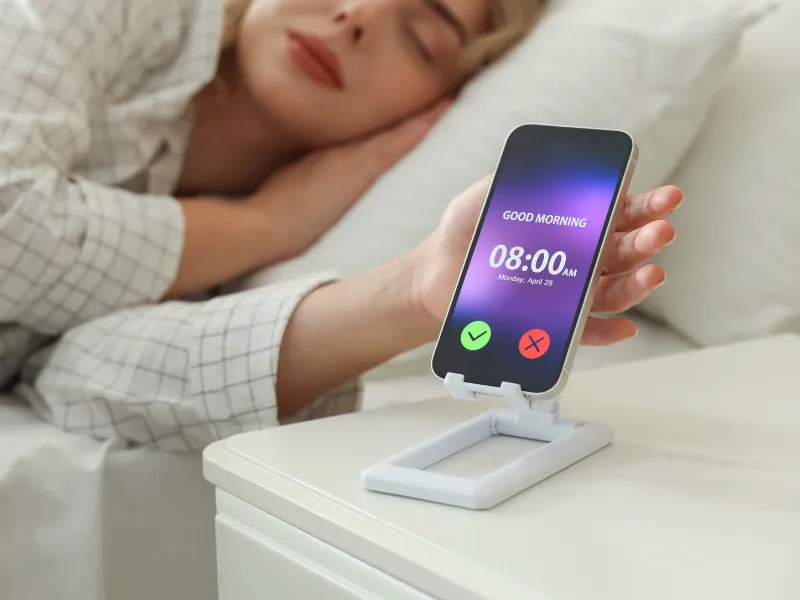
Why does this matter? AI requires data, that’s why. And Pokémon Sleep collects it as you sleep. Over time, patterns are analyzed to identify factors like how often you go to bed and how long you sleep in light and deep sleep.
How Pokémon Sleep collects data:
- Motion sensors detect movement in bed
- Phone orientation and accelerometer measure restlessness
- Sleep duration & bedtime consistency logged nightly
- Categorizes sleep types: Dozing, Snoozing, Slumbering
- Data synced to AI system for trend analysis
How AI Analysis Pokémon Sleep Data?
AI doesn’t just look at “you slept 7 hours.” It’s a smart app. The software can detect small problems, track long-term trends, and even estimate the risks of not getting enough sleep or having an erratic schedule. Imagine a detective looking at night with a magnifying glass.
AI that recognizes behavior patterns can group individuals based on how they sleep. Predictive sleep modeling helps find patterns that could cause tiredness, irritability, or even long-term health problems if they are not addressed. A big data sleep study can also help identify trends across the whole population, such as whether teens are more likely to play video games late at night, which can affect REM sleep.
Tools AI uses:
- Clustering algorithms for user grouping
- Anomaly detection for irregular schedules
- Time-series analysis for trend prediction
- Sleep scoring metrics to quantify rest quality
While AI flags patterns, it doesn’t diagnose. Always consult a professional for chronic sleep issues.
Problematic Sleep Patterns Identified by AI
AI analysis reveals frequent sleep problems we might not even be aware of.
Irregular sleep Pattern – Circadian rhythms are messed up by going to bed and waking up at different times.
Sign of Sleep fragmentation – Symptoms of sleep fragmentation include frequent waking and tossing and turning, which make deep sleep less likely.
Long term lack of sleep – consistently getting under 6–7 hours of sleep.
Circadian rhythm disorder signs – late-night activity, delayed sleep phase.
Example: AI might notice you’re up playing games at 1 AM four nights a week, then sleeping in until noon. It flags your pattern as misaligned with normal circadian timing.
Checklist for readers:
- Track bedtime and wake time variability
- Note frequency of nighttime awakenings
- Compare actual sleep duration vs recommended
- Look for consistent late-night behavior patterns
Harvard Medical School also share a report about the sleep and mental health.
Why Irregular Sleep Schedules Harm Your Health?
Sleep is a basic human need. To keep hormones like melatonin and cortisol balanced, your body must maintain a consistent rhythm. If you skip a regular schedule, you disrupt your circadian rhythm, making you feel fatigued, grumpy, or hungry at odd times. Broken sleep is just as harmful. You might get 8 hours, but if you keep waking up, you reduce deep sleep, the period when your body repairs itself.
Consequences of bad sleep patterns:
- Reduced cognitive performance
- An immune system that is weak
- Irritability and changes in mood
- Increased risk for chronic health issues
Even small changes, like going to bed 15 minutes earlier every night, can help your circadian rhythm slowly get back on track. Gradually, these adjustments may help counteract the negative effects mentioned above.
How Gamified Sleep Apps Keep You Sleeping?
Currently, gamification in healthcare is very popular. Pokémon Sleep makes sleeping a game with rewards. You gain points, Pokémon, and awards for getting enough sleep every night.
You get points, Pokémon, and achievements for maintaining sleep consistency. This is habit-forming technology at work. Behavioral psychology apps show that immediate rewards small wins reinforce long-term habits.
Why it sticks:
- Emotional engagement: you care about “winning” sleep points
- Positive reinforcement: good habits are rewarded
- Fun, not boring: keeps users checking in nightly
AI Sleep Apps and Data Privacy Concerns
AI sleep tracking is cool, but data privacy is real. People are worried about hackers when discussing data privacy. But they’re also worried about who owns their habits and how they may be exploited. Pokémon Sleep says it uses anonymous data. But it’s always a good idea to check the fine print.
Important things to think about:
- HIPAA and GDPR protect personal health information.
- Wearable data security: encryption and making data anonymous
- Responsible AI ethics means being open about how data is used.
Before syncing your sleep data with any app or device, make sure you read the app’s or device’s privacy policy. Even data that doesn’t show who it belongs to can show patterns.
How to Improve Sleep Using AI Insights?
AI insights on how to sleep better:
- Stick to the same time for going to bed and waking up.
- Limit screens to at least 30 to 60 minutes before bed.
- Make your bedroom as dark, cool, and silent as possible.
- Keep an eye on how much coffee and alcohol you drink.
Checklist for readers:
- Track your sleep for 2–3 weeks
- Review AI-generated insights
- Implement small changes and monitor improvement
- Consult a doctor if chronic issues persist
Future of AI in Consumer Sleep Monitoring
AI healthcare innovation is just getting started. Imagine smart home sleep integration, where your lights dim, thermostat adjusts, and AI predicts your optimal wake-up time. Wearable AI advancements combined with predictive health monitoring will likely enable AI sleep disorder detection before you even feel symptoms.
Sleep tech trends 2026? Expect deeper integration with medical platforms, AI-driven personalized recommendations, and gaming meets healthcare on a massive scale. In short, your bedroom is about to become a health command center. Even simple improvements today consisting of bedtime, dark room, tracking can set you up for a lifetime of better sleep according to the world sleep society.
Conclusion
AI analysis of Pokémon Sleep data shows that your bedtime habits tell a bigger story than you think. From irregular sleep schedules to fragmented rest, small nightly patterns add up. While it’s not a medical diagnosis tool, AI-powered tracking offers powerful early insights. Used wisely, it can help you build healthier routines one night at a time.
FAQ Section
Q: Can Pokémon Sleep accurately track REM sleep?
A: Not fully. It estimates sleep phases via movement, not brainwaves. Use for trends, not diagnosis.
Q: Is AI sleep tracking safe for children?
A: Generally, yes but monitor screen time and ensure privacy compliance.
Q: How reliable is predictive sleep modeling?
A: It’s great for spotting trends, but not a replacement for medical-grade tracking.
Q: Can gamification improve sleep?
A: Yes, reward-based motivation encourages habit formation and consistency.
Q: What to do if AI flags chronic sleep deprivation?
A: Adjust habits, optimize environment, and consult a sleep doctor if needed.