If you’ve ever wondered why people with kidney disease often heart failure has even when their cholesterol levels are normal and their blood pressure is under control. Doctors have been trying to figure this out for years. The kidneys may not be failing along with the heart; they may also be harming the heart.
Recent biomedical research reveals that diseased kidneys send harmful biological signals into the bloodstream and microscopic particles. That quietly damages the heart muscle from the inside.
This article will help you to know what scientists are finding, why it matters, and what these changes are for patients with chronic kidney disease (CKD). Both are the most familiar disease. So, let’s start to discuss in depth.
Why Chronic Kidney Disease Raises Heart Failure Risk?
Chronic kidney disease, or CKD, isn’t only kidneys slowing down. It’s a long-haul illness where your kidneys gradually lose the ability to filter waste, balance fluids, and keep electrolytes in check. And let’s be honest, it sneaks up on you. Fatigue that never quits, brain fog, swelling in your legs or ankles, weird lab results and this nagging feeling that something isn’t right.
Most people with CKD don’t die from kidney failure. They die from heart disease. For years, the explanation sounded logical enough. CKD patients often wrestle with high blood pressure, diabetes, anemia, and chronic inflammation. Each one of these is a known cardiac risk. Even when doctors throw everything at controlling these issues, heart failure risks stubbornly hanging around. So, your kidneys can literally sabotage your heart, quietly.
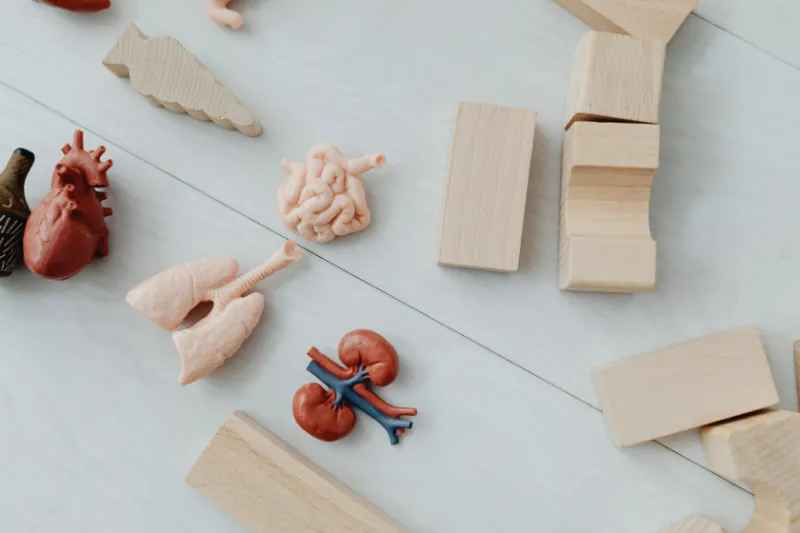
All of which are hazardous to the heart. Even when doctors do everything they can to control such risks, the chance of heart failure stays high. Something else is clearly going on. Recent chronic disease research suggests the kidneys themselves may be sending out harmful signals actively contributing to heart muscle injury.
What Are Toxic Microparticles in Diseased Blood?
Extracellular vesicles (EVs) are also called toxic microparticles. These are little particles that cells release and are surrounded by membranes. Imagine little parcels floating around in your blood. In healthy bodies, EVs are useful. They help with cell communication, immune signaling, tissue repair.
Damaged kidney cells start releasing EVs loaded with inflammatory molecules, stress signals, and genetic regulators that don’t belong in circulation at those levels. These nano particles in blood don’t just float harmlessly. They interact. They dock with other cells. Including heart cells.
Most familiar with,
- Extracellular vesicles: tiny particles with membranes that cells let go of.
- Non-coding RNA: DNA that controls gene expression without coding for proteins.
- Toxic microparticles: Abnormal vesicles from sick kidneys that transmit bad messages.
What Really Connects Kidneys and Heart Cells?
We’ve known about the kidney–heart connection for a long time. Clinically, it’s obvious when one organ fails, the other struggles but the mechanism was fuzzy.

When kidneys are sick, they send harmful extracellular vesicles into the blood. These vesicles travel to the heart, where heart muscle cells, called cardiomyocytes, take them in. Once inside, they disrupt regular signaling pathways.
This isn’t mechanical stress. It’s biochemical sabotage.
| Term | What It Means | Why It Means |
| Extracellular vesicles | Tiny packages from cells | Normal cell messaging system |
| Non‑coding RNA | Genetic material that regulates cell behavior | Can be harmful if abnormal |
| Toxic microparticles | EVs with harmful cargo from diseased kidneys | Directly damages heart cells |
This causes the heart muscle to become stiff over time, making it less efficient at pumping blood and eventually leading to heart failure. Even in those devoid of traditional cardiovascular risk factors.
Does Cardio-Renal Syndrome Directly Damage the Heart?
Cardio-renal syndrome has always felt confusing when doctors see the heart and kidney both are failing at the same time. For a long time, it was explained as a simple back-and-forth problem, where heart failure slowly weakens the kidneys and kidney failure, in return, places extra strain on the heart.
But modern cardio-renal research suggests something more specific and serious but a direct process where disease in one organ actively causes injury in the other. The kidneys don’t just fail alongside the heart. They actively contribute to heart muscle injury through systemic disease mechanisms. Toxic microparticles act like molecular messengers of damage.
Key mechanisms
- RNA signaling disruption: Non‑coding RNA alters genetic regulation inside heart cells.
- Cardiac fibrosis: Irreversible stiffening of heart muscle increases heart failure risk.
- Heart muscle injury: Impaired cellular function leads to progressive weakening.
This reframes cardio-renal syndrome from “complex overlap” to biologically driven organ-to-organ injury. And once you see it that way, new treatment strategies suddenly make sense.
How Non-Coding RNA Quietly Damages Heart Muscle?
Inside those extracellular vesicles are non-coding RNA molecules. These don’t make proteins, instead, they regulate gene expression. They’re like switches and dimmers for your DNA.
In CKD, certain non-coding RNAs are overproduced and shipped straight to the heart. Once inside heart cells, they:
- Activate fibrotic gene programs
- Promote chronic inflammation
- Alter normal cardiac remodeling
This leads to cardiac fibrosis, essentially scar tissue replacing flexible heart muscle. The heart becomes stiff, filling and pumping suffer. Heart failure creeps in quietly. This is molecular cardiology in action. That explains why traditional heart treatments sometimes fall short in CKD patients.
A Paradigm Shift in Kidney–Heart Medicine
That’s a paradigm shift in medicine. It moves chronic kidney disease from risk factor to active disease driver. Clinically, this means treating blood pressure and cholesterol alone is not enough. We need therapies that interrupt toxic molecular signaling before structural heart damage sets in.
Old vs. New CKD and Heart Disease
| Old Model | New Insight |
| Heart issues are due to shared risk factors | Kidneys actively send harmful signals |
| Focus on blood pressure and glucose | Focus also on molecular signaling |
| Heart risk seen as secondary | Heart risk seen as direct effect |
| Prevention was mainly lifestyle/meds | Now includes biomarker detection & precision approaches |
This aligns perfectly with modern precision medicine thinking and explains why one-size-fits-all treatments often fail CKD patients.
Can the Heart Heal After Kidney Disease?
Here’s the hopeful part. In animal model research, scientists blocked or modified the release of toxic extracellular vesicles. Others targeted the non-coding RNA cargo directly.
Results:
- Reduced cardiac fibrosis
- Improved heart muscle function
- Partial reversal of structural damage
It’s the real improvement. This suggests heart damage linked to kidney disease may be modifiable, especially if caught early. That’s huge for translational medicine and preclinical trials.
Could a Blood Test Predict Heart Failure Risk in CKD?
Basically, the answer is yes and you might not feel a thing until it’s too late. Blood tests are starting to reveal early “signals” before symptoms appear:
| Biomarker Type | What It Means | Why It Matters |
| Toxic Microparticles | Tiny bits released from damaged kidney cells | Can inflame blood vessels → increases heart disease risk |
| RNA Signatures (microRNAs) | Non-coding RNAs acting like stress fingerprints | Reveal early cardiac strain before any symptom shows |
| Biomarker Panels | Combination of microparticles + RNA | More accurate risk score than a single marker |
Clinical Impact:
| Current Approach | Future Approach (Biomarker-driven) |
| Reactive: treat heart failure after symptoms | Proactive: identify risk before symptoms |
| One-size-fits-all medication | Personalized treatment guided by biomarker profile |
| High hospitalization rates | Reduced emergency admissions through prevention |
This is the direction preventive cardiology is heading, focusing less emergency response and more early interceptions.
What Does CKD Patient Care Mean Right Now?
A simple blood test is the most necessary step for the CKD patient. The CKD patient should be treated as like their heart condition. They need stressless care and rest for their condition.

CKD isn’t a solo organ problem. It’s a systemic issue. That’s why doctors need to look at the big picture. Here’s a quick expert checklist:
Heart Monitoring Checklist for CKD Patients:
- Regular echocardiograms
- Routine ECGs
- BNP / NT-proBNP checks
- Consider biomarker panels for early detection
- Focus on prevention, not just emergencies
Practical implications:
- Ask about cardiovascular monitoring
- Don’t ignore fatigue or exercise intolerance
- Advocate for comprehensive care
Final Thoughts
Your kidneys can be sneaky villains, releasing microparticles that quietly damage your heart. Understanding this link shifts the strategy from waiting for an emergency to early identification andprevention. Thanks to advances in blood testing, biomarkers, and personalized medicine, CKD patients now have tools to protect their hearts and improve long-term outcomes.
Quick FAQ
Q: Can CKD patients reverse heart risk?
A: Full reversal is rare, but early detection + tailored therapies dramatically reduce progression
Q: How often should a CKD patient get heart tests?
A: Depends on stage and risk factors, usually every 6–12 months, but biomarkers may suggest more frequent monitoring.
Q: Are these microparticle and RNA tests widely available?
A: Some are still research-driven, but many cutting-edge centers now offer them for high-risk CKD patients.