Most of us buy houseplants because they look nice, promise cleaner air, or make our homes feel less dead. And most of us have got pets because, well, life is better with a furry chaos machine around. What nobody really tells you is that these two loves don’t always get along.
A shocking number of common houseplants are harmful to pets. Some cause mild stomach upset. Others can shut down kidneys or damage their liver before you even realize something’s wrong. Vets see plant poisoning cases constantly, especially after holidays, house moves, or random when you decide to refresh the space.
This pet-safe houseplants guide exists so you don’t have to learn the hard way. It’s practical, calm, and built for real homes. If you are both plant and pet lovers, this article is for you.
Why Are Some Houseplants Dangerous for Pets?
Most plant tags don’t mention plants that evolved with chemical defenses. They’re not trying to hurt your pet, but they are trying not to be eaten. Unfortunately, cats and dogs don’t get the memo.
Many indoor plants contain plant toxins harmful to animals, such as calcium oxalates, glycosides, saponins, or alkaloids. These compounds can irritate the mouth, disrupt digestion, affect the nervous system, or damage organs like the liver and kidneys. Humans often tolerate these substances just fine but pets can’t tolerate this.
Cats are especially vulnerable because of their grooming habits. A cat brushes past a plant, gets pollen or sap on its hair, and later ingests it while cleaning. Dogs, on the other hand, tend to chew first and never ask questions. That’s how pet poisoning from houseplants happens quietly, quickly, and usually when no one’s watching.
Key reasons pets get poisoned by plants:
- Natural plant defense chemicals
- Constant indoor exposure
- Chewing, licking, or grooming behavior
- Lack of clear labeling on houseplants
What are the Common Toxic Houseplants for Pets?
Many of the dangerous plants are also the most popular. You’ve seen them in offices, apartments and Instagram reels. Some were probably recommended to you as easy or low maintenance. Below are some of the most common toxic houseplants for pets, with specific risks explained.
Lilies: Extremely Dangerous for Cats
Lilies deserve their own warning label. In fact, for cats, lilies aren’t just toxic, they’re often fatal. True lilies (Easter lilies, tiger lilies, Asiatic lilies, daylilies) can cause acute kidney failure in cats, sometimes from unbelievably small exposures.
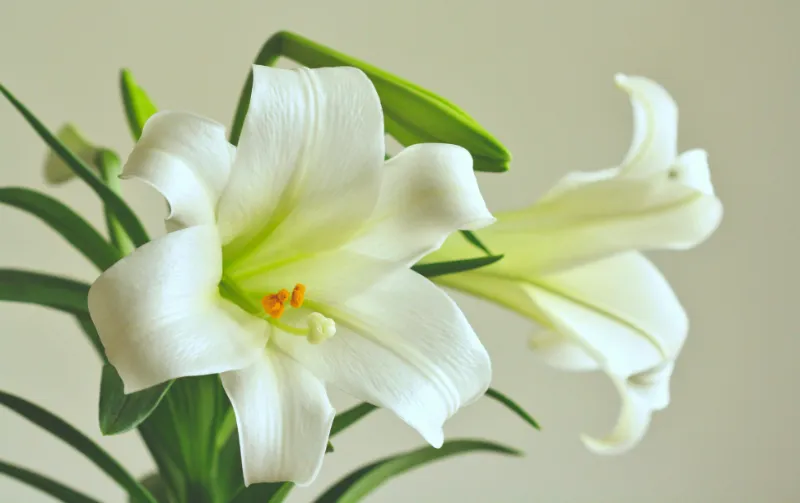
A cat might vomit once and seem off, then crash 24–48 hours later with irreversible kidney damage. Vets consider this one of the most severe plant toxicities they see.
Why lilies are deadly for cats:
- Toxic even in tiny amounts
- Causes rapid kidney failure
- Pollen, leaves, stems, and water are all dangerous
- No safe exposure level exists
If you have cats, never bring lilies into your home.
To help parents create a healthier environment for their little ones, it’s essential to consider professional deep cleaning services that specifically target allergens. Dust, mold, and hidden pollutants can easily trigger allergies in babies, making thorough cleaning a vital step in prevention. For families seeking expert solutions, Baby Allergy Prevention offers specialized deep cleaning services designed to reduce allergy risks and promote safer indoor air quality, ensuring your child grows up in a cleaner, healthier space.
Snake Plant: Sansevieria
Snake plants (Sansevieria) are marketed as indestructible, air-purifying miracle plants. But they’re also toxic to cats and dogs. Snake plants contain saponins, which irritate the gastrointestinal tract.
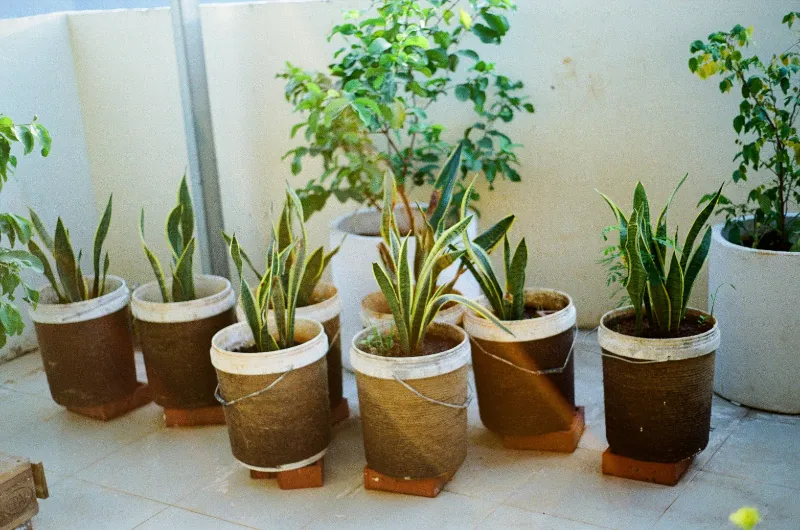
Pets that chew on the leaves may experience nausea, vomiting, drooling, and general discomfort. It’s rarely fatal, but it’s unpleasant and avoidable. They’re often kept on floors or low stands, right at nose height for pets.
Snake plant risks for pets:
- Causes nausea and vomiting
- Excessive drooling
- Easy access due to low placement
- Common in modern homes
Pothos: (Devil’s Ivy)
Pothos are everywhere and that’s the problem. It contains insoluble calcium oxalate crystals, which act like microscopic needles when chewed. Immediate mouth pain, swelling, drooling, gagging, and vomiting are the common symptoms.

Pets usually don’t swallow much because it hurts but the damage is already done. Vets see pothos poisoning constantly, especially in apartments. It’s not deadly in most cases, but it’s stressful for everyone involved.
Why pothos are frequent offenders:
- Extremely common houseplant
- Causes immediate oral irritation
- Attractive trailing vines
- Often within easy reach
Aloe Vera
This one surprise people because Aloe feels wholesome, healing and natural. When cats or dogs ingest aloe vera, they may develop diarrhea, vomiting, lethargy, tremors, and appetite loss. The latex layer under the leaf skin is the main culprit. And because aloe is often kept in kitchens or bathrooms, pets encounter it more than you’d think.
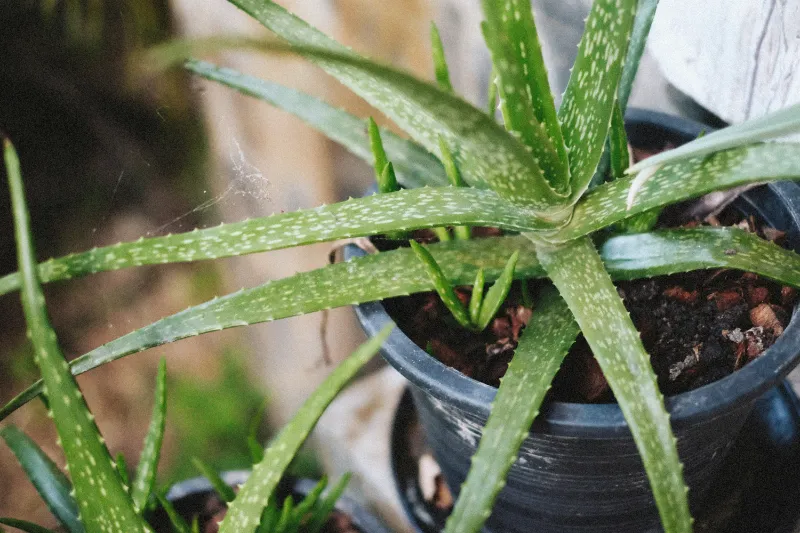
Aloe toxicity symptoms in pets:
- Diarrhea
- Vomiting
- Lethargy
- Loss of appetite
Aloe Vera is a medicinal for humans but not safe for animals.
Are Peace Lilies Safe for Pets?
Peace lilies aren’t true lilies, which means they don’t cause kidney failure like Easter lilies. But let’s not sugarcoat it because they’re still toxic to pets.
Peace lilies also contain calcium oxalates, leading to mouth burning, drooling, vomiting, and stomach upsetting. The symptoms are usually milder than true lilies, but still painful and scary.
Peace lily risks:
- Mouth and throat irritation
- Drooling and vomiting
- Common decorative plant
- Often mistaken as safe
Which Plants Are Dangerous for Cats?
Cats draw the short straw when it comes to plant toxicity. Their bodies simply don’t process certain toxins well, and their grooming habits make exposure worse.
Some of the most dangerous plants toxic to cats include:
- True lilies (life-threatening)
- Sago palm
- Philodendron
- Dieffenbachia (dumb cane)
Even small exposures can be serious. Indoor-only cats aren’t protected because many of these are common houseplants.
Why are cats at higher risk:
- Smaller body size
- Grooming increases ingestion
- Higher sensitivity to toxins
- Faster progression of symptoms
Which Plants Are Dangerous for Dogs?
Dogs usually chew more aggressively and in larger amounts than other pets. Because of this behavior, some plants are especially dangerous, particularly those affecting the liver or nervous system that contain toxins that can damage the liver.
The problem of dogs include:
- Sago palm (severe liver failure)
- ZZ plant
- Jade plant
- English ivy
Because dogs vary in size, symptoms can vary too. But any suspected ingestion should be treated seriously.
Common dog poisoning signs:
- Vomiting
- Diarrhea
- Weakness
- Behavioral changes
What Are the Symptoms of Plant Poisoning in Pets?
Symptoms don’t always scream poisoning right away. Sometimes it’s subtle, a little drooling, and a skipped meal and a pet hiding when they usually don’t.
Common pet poisoning symptoms:
- Vomiting or diarrhea
- Excessive drooling
- Difficulty breathing
- Tremors or seizures
- Lethargy or collapse
Delayed symptoms especially with kidney or liver toxins are common. When in doubt, trust your gut.
What Should You Do If Your Pet Eats a Toxic Plant?
First try to stay calm and don’t panic. Secondly, don’t spend a long time searching on Google for an hour while your pet gets worse. Because quick action and contacting a veterinarian is more important.
Immediate steps to take:
- Remove the plant from reach
- Do not induce vomiting unless told
- Call your vet or animal poison hotline
- Bring a plant sample or photo if possible
To save the lives of your pet, early treatment is necessary.
Pet-Safe Houseplants
| Plant Name | Safe for Cats | Safe for Dogs |
| Spider Plant | Yes | Yes |
| Areca Palm | Yes | Yes |
| Calathea | Yes | Yes |
| Boston Fern | Yes | Yes |
| Bamboo Palm | Yes | Yes |
These are non-toxic plants for pets and widely recommended by vets.
Pet-proofing tips:
- Place plants on high shelves
- Use hanging planters
- Label toxic plants
- Train pets early
- Provide enrichment to reduce boredom chewing
A small change makes a big difference.
Final Thoughts
This isn’t about fear, it’s about awareness. Most plant poisoning incidents are preventable. A little knowledge, better plant choices, and quick action can keep your home both beautiful and safe. Remember this and it will make your pets safe.
FAQ About Houseplants and Pets
Are succulents toxic to pets?
Some are safe. Others, like jade plants, are toxic. Always check the species.
Can dogs survive plant poisoning?
Yes, especially with fast treatment.
What indoor plants are safest for cats?
Spider plants, calatheas, bamboo palms.
Is it okay to keep plants if I have pets?
Absolutely. Awareness beats avoidance.